
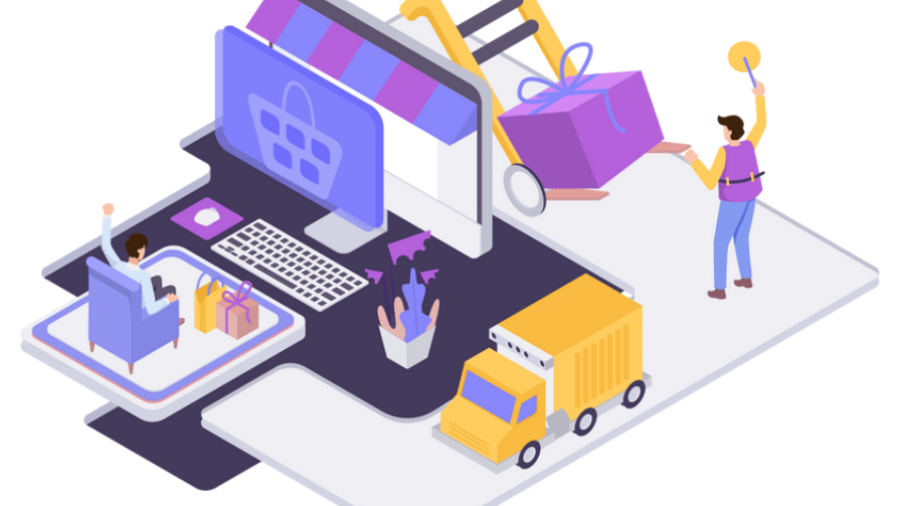
One of the first topics that sellers looking for opportunities to sell on Amazon research is the question of how to do dropshipping on Amazon. Being a seller on Amazon means being able to sell to target markets such as Amazon America, Amazon Europe, Amazon Canada or Amazon Turkey. After this stage, dropshipping offers opportunities for Amazon sellers.
After opening a store on Amazon, products are purchased from your supplier manually or through a program and can be listed on Amazon. The point to be considered at this stage is that products belonging to any trademark should not be sold without permission. In other words, patented products belonging to a large company should not be sold without permission. In such cases, Amazon may close the account temporarily or permanently. In order to do Amazon dropshipping, it is necessary to pay attention to some critical points like this.
Amazon Dropshipping software also includes features that suit the needs of sellers to find the right product and suppliers. Because in order to compete and win on Amazon, it is necessary to find the most profitable product. The second most important step of the Amazon Dropshipping program is to find sustainable suppliers to supply the products. Supplier means a legal and honest wholesaler who knows the concept of “direct delivery”.
You will find that many wholesalers will charge you a monthly fee or minimum order quantity to do business with them. This goes against the general idea of direct transportation where the focus is on completing the job with minimal investment.
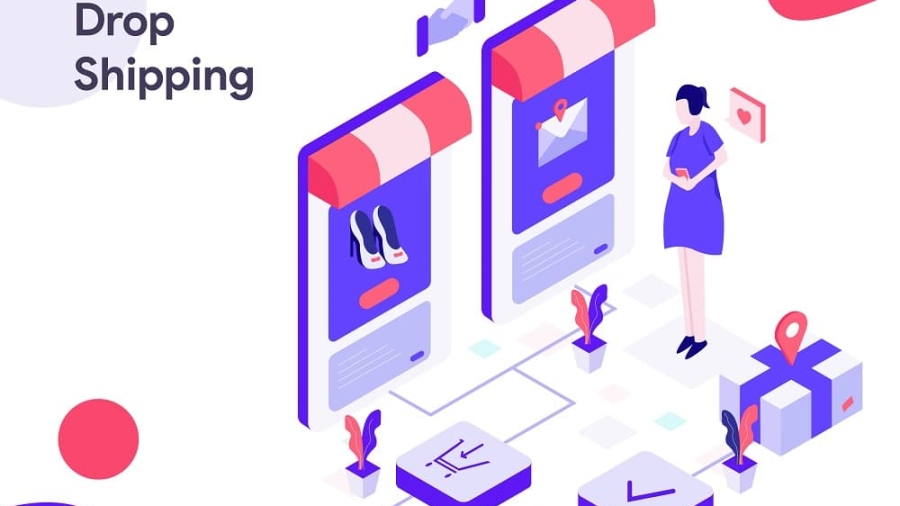
For sellers, Amazon dropshipping has its advantages. Selling on Amazon provides instant access to a large audience. There is no need to spend additional costs and time on marketing or SEO.
Controlled dropshipping suppliers: Amazon buys products in bulk, mostly from European suppliers. It then keeps it in warehouses for delivery. Whether you are a new seller or an experienced professional; You can sell quality products at scale to an international audience.
Zero warehouse costs: Amazon also allows you to complement dropshipping products with your own products without the hassle of packaging, shipping or storage. Thus, it also offers its own fulfillment centers known as “Fulfillment by Amazon”.
Opportunity for discoverability: Amazon also has over 30 categories to choose from. It helps you reach targeted markets with the right dropshipping suppliers and products. So you can sell in as many different dropshipping niches as you want.